MP2 is an independent, volunteer military prevention network. We bring research, predictive analytics, and leader judgment together to guide support for units that may need additional attention.
Independent and nongovernmental. MP2 is not affiliated with the U.S. Department of War or any other part of the U.S. government. Human-led by design. AI can help surface patterns; people provide context, judgment, and care. Unit-level decision support only—never individual risk scores or automated decisions.
Sense. Orient. Act. Learn.Four questions. One human-led method.
01 · SenseWhat needs attention?Frame a bounded unit-level command question.
02 · OrientWhat does the evidence suggest?Combine approved data, research, analysis, and local context.
03 · ActWhat will we try?Choose supportive action, a human owner, and a review date.
04 · LearnWhat changed?Decide what to sustain, adapt, or stop—then begin again.
02 Approach
From early signals to human support.
Leaders examine the evidence, add local context, choose supportive action, and learn from what changes.
Can We Predict Soldier Harmful Behaviors? Proposing the Unit Risk Forecasting Model
Jonathan Bate and Stephanie Hightower
The public base-model paper proposes an organizational forecasting model in which recent recorded-incident patterns help estimate a company-sized unit's near-term probability of another recorded incident.
Evidence limits. The analysis is predictive and associational, setting-specific, and based on recorded reports. It is not the pilot impact evaluation, a clinical model, a universal threshold, or an individual risk score.
Figure 4: the fitted associationAssociation, not an intervention effect.The curve relates recorded serious incident counts in the past three weeks to the fitted current-week probability of another recorded incident for company, troop, or battery units. Uncontrolled specification; version and covariate limits apply.Chart explanation and specification caveats →
Cofounded by Jon Bate and Ryan Pallas, MP2 brings together military leaders, researchers, prevention practitioners, clinicians, data experts, and people with lived experience.
The aim is to connect field questions with rigorous research and make useful findings easier to apply.
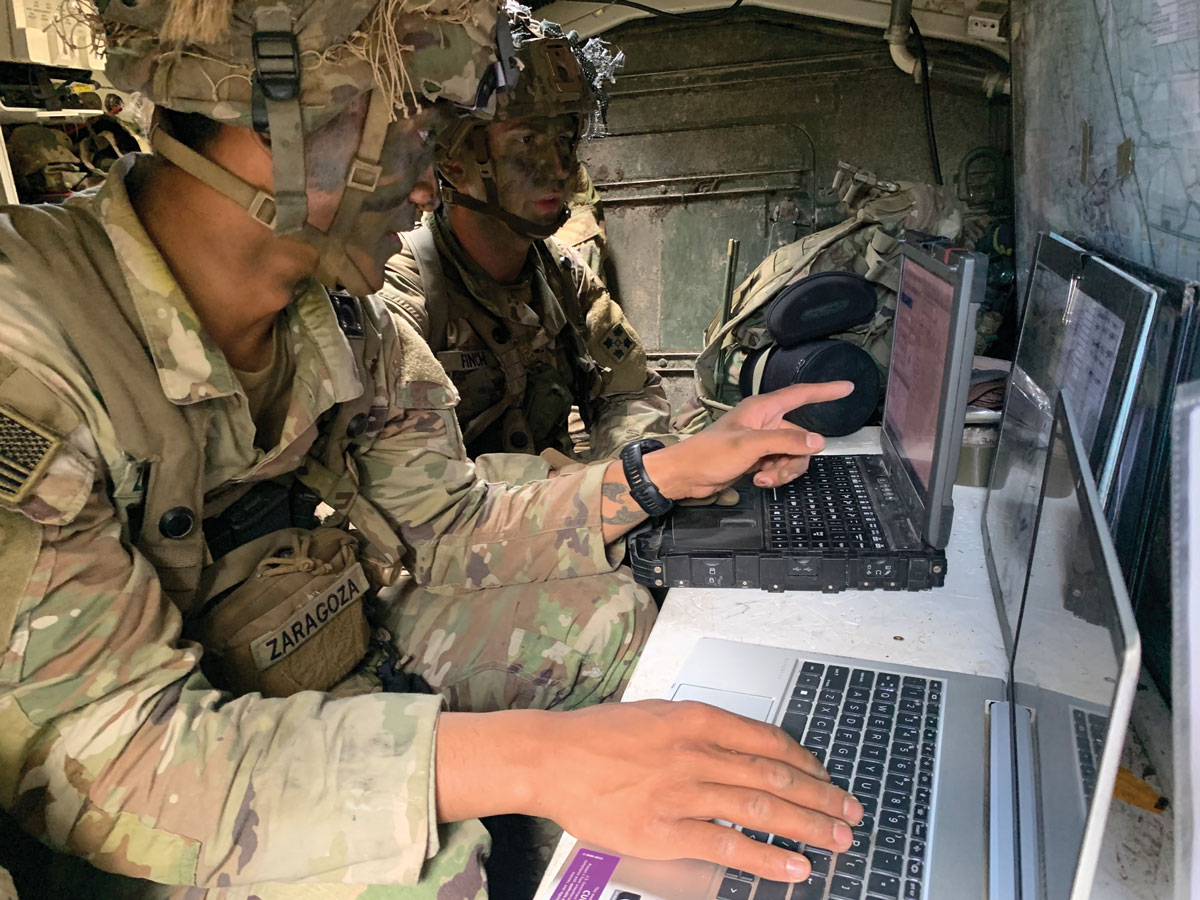
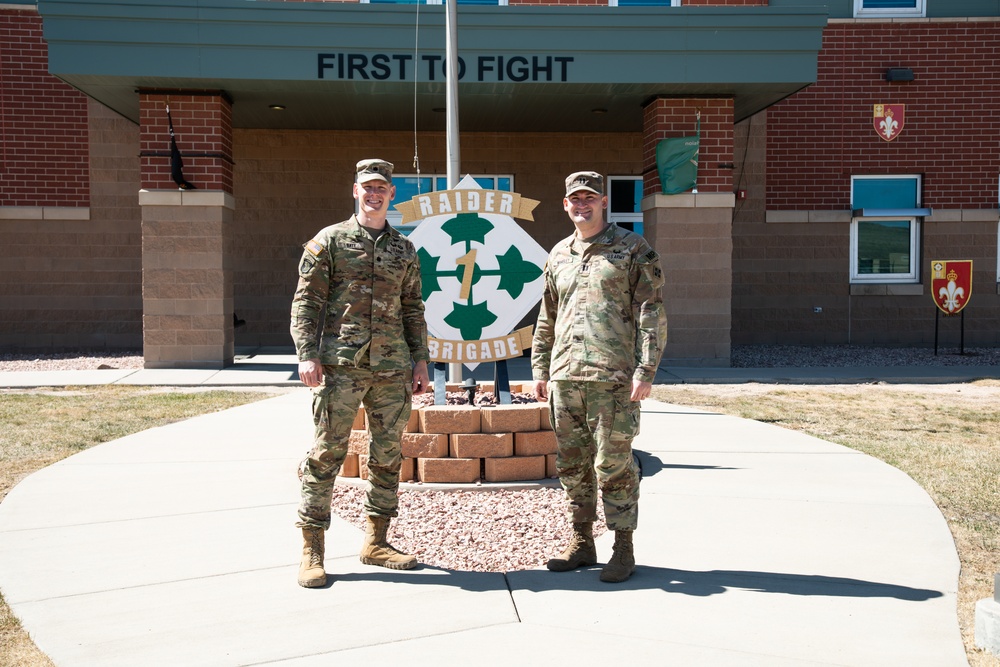
RAID-T leaders at Fort Carson. U.S. Army photo by 1st Lt. Taylor Graham via DVIDS.
Historical origin · 4th Infantry Division · DVIDS, April 2024
The Project Prevention Journey
MP2 draws on a historical Army initiative, Project Prevention. RAID-T brought leaders, analysts, developers, and prevention professionals together around a unit-level question: how could leaders focus attention before the next crisis?
Historical note: Project Prevention was the Army initiative described in this story. Mission: Prevent & Protect is an independent, nongovernmental effort.
Bring experience in military leadership, prevention, research, or data methods. Follow MP2 as the network develops and opportunities to contribute take shape.
Leaders and practitioners
Bring field questions and experience with prevention, implementation, and supportive action.
Researchers
Help test assumptions, evaluate approaches, and make findings and limits useful to decision makers.
Data and methods specialists
Help improve measurement and transparent analysis while keeping privacy, context, and human judgment central.